






The Lake Erie Inquiry
SectionSección
The Saturday FeaturesLas secciones del sábado
The Saturday Spread, The Other ToledoThe Saturday Spread, The Other Toledo
The last 30 days, free to everybody. Earlier printings are listed below by headline and open with your email.Los últimos 30 días, gratis para todos. Las publicaciones anteriores aparecen abajo por titular y se abren con su correo.
John King gives book hunters four floors to roamJohn King ofrece cuatro pisos para buscar tesoros entre libros
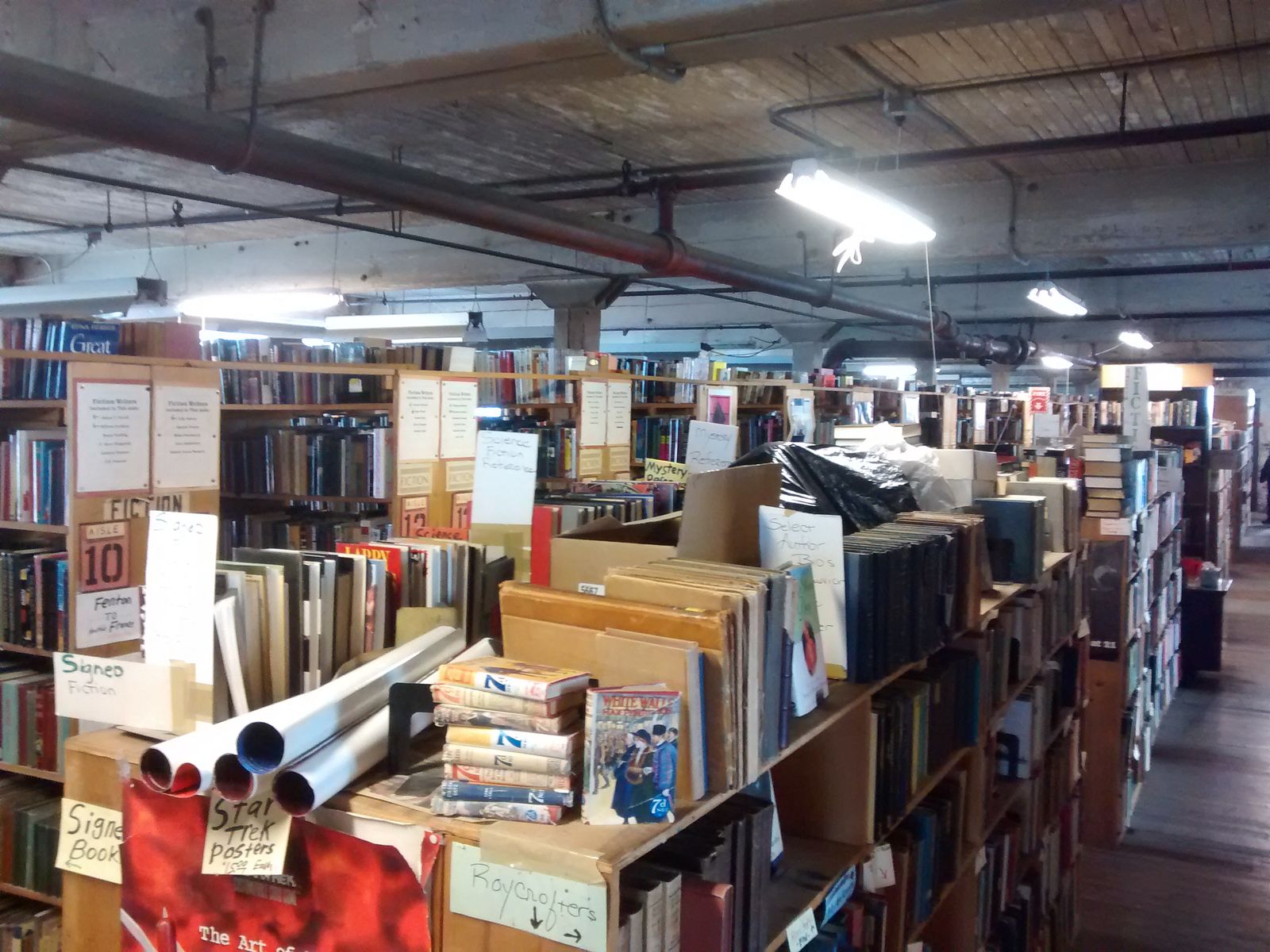
At John K. King Used & Rare Books in Detroit, an old glove factory gives you four floors of shelves to roam. Pick a subject, follow the store map and let Saturday’s shopping turn into a treasure hunt.En John K. King Used & Rare Books, en Detroit, una antigua fábrica de guantes ofrece cuatro pisos de estanterías para explorar. Elija un tema, siga el mapa de la tienda y convierta las compras del sábado en una búsqueda de tesoros.
The shop puts its stock at more than a million books. Its main-store shelves are arranged by subject, and the books are not individually listed online. That leaves plenty of room for the pleasure of finding something you weren’t looking for.La librería cifra sus existencias en más de un millón de libros. Los estantes de la tienda principal están ordenados por temas y los ejemplares no figuran uno por uno en internet. Queda mucho espacio para el gusto de encontrar algo que no buscaba.
There is a way to narrow the hunt. The store’s subject directory points you to a floor and aisle. Try a broad topic such as poetry, architecture or military history. Ask the staff about a particular title; a subject match doesn’t mean a specific book is in stock.También puede orientar la búsqueda. El directorio de temas indica el piso y el pasillo. Pruebe con poesía, arquitectura o historia militar. Para un título concreto, consulte al personal; encontrar el tema en el directorio no confirma que haya un libro determinado.
John King bought the abandoned Advance Glove factory on West Lafayette in 1983 after outgrowing his earlier downtown shop. The books spread through all four floors. It is a good place to give a reader a shopping allowance and some time.John King compró la fábrica abandonada Advance Glove, en West Lafayette, en 1983, cuando su anterior local del centro se quedó pequeño. Los libros ocuparon los cuatro pisos. Es un buen lugar para regalar a un lector un presupuesto y tiempo para elegir.
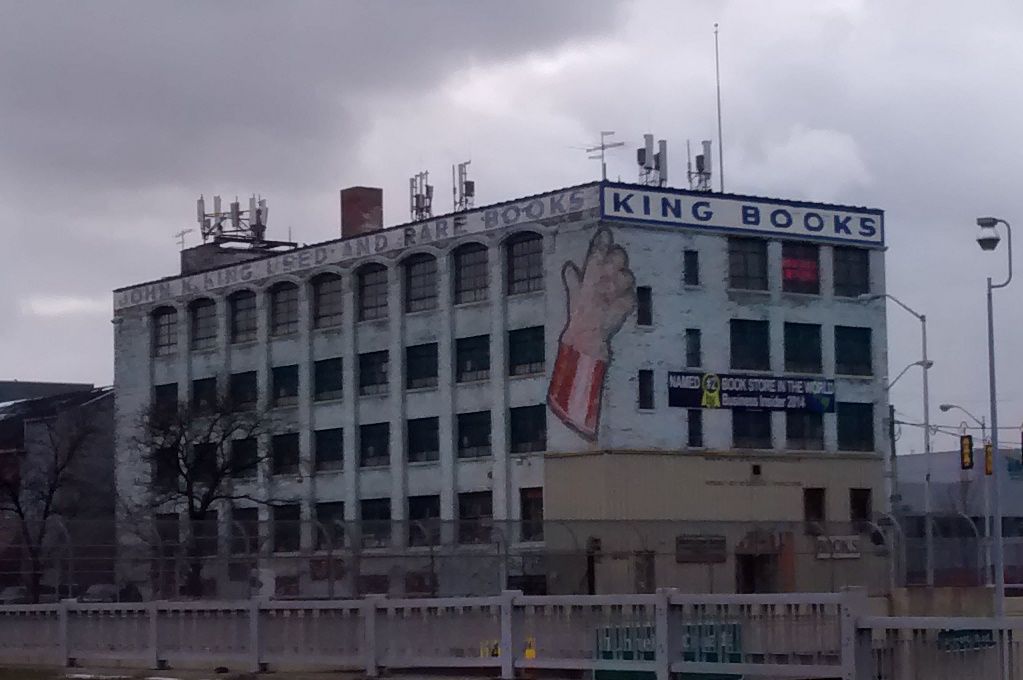
The building has a story of its own. According to the shop’s history, it was moved about 600 feet in 1949 to make room for the freeway. A customer brought King photographs of the move in 1994. Look for the large painted glove on the wall when you arrive.El edificio tiene su propia historia. Según el relato de la librería, fue trasladado unos 600 pies en 1949 para dejar espacio a la autopista. Un cliente llevó a King fotografías del traslado en 1994. Al llegar, busque el gran guante pintado en la pared.
For collectors, there is a separate rare-book room and an art annex, both by appointment. The rare books have their own online catalog. Call ahead if those rooms are the reason for your trip.Para coleccionistas hay una sala de libros raros y un anexo de arte, ambos con cita previa. Los libros raros tienen su propio catálogo en línea. Llame antes si viaja especialmente para ver esas salas.
Go Saturday, Nov. 7: the downtown store lists hours of 9:30 a.m. to 5:30 p.m. at 901 W. Lafayette Blvd., Detroit, Mich., just off the Lodge Freeway. This is the four-floor shop; the Ferndale branch has a different schedule.Para ir el sábado 7 de noviembre: la tienda del centro indica un horario de 9:30 a.m. a 5:30 p.m., en 901 W. Lafayette Blvd., Detroit, Michigan, junto a la autopista Lodge. Esta es la librería de cuatro pisos; la sucursal de Ferndale tiene otro horario.
The phone is 313-961-0622. Michigan’s tourism listing identifies a wheelchair-accessible elevator; call the shop about assistance reaching the upper floors. Leave room in the car for whatever you find.El teléfono es 313-961-0622. La ficha de turismo de Michigan indica que hay ascensor accesible para sillas de ruedas; consulte a la librería sobre la ayuda para subir a los pisos superiores. Deje espacio en el auto para lo que encuentre.
Sources: John King’s visitor information, main-store website, floor maps, subject directory, store history and 2025/2026 report.Fuentes: información para visitantes, sitio de la tienda principal, mapas por piso, directorio de temas, historia e informe de 2025/2026 de la librería.
The Houdini séance is sold out. The museum is worth the trip.Sin asientos en la sesión de Houdini. El museo vale el viaje.
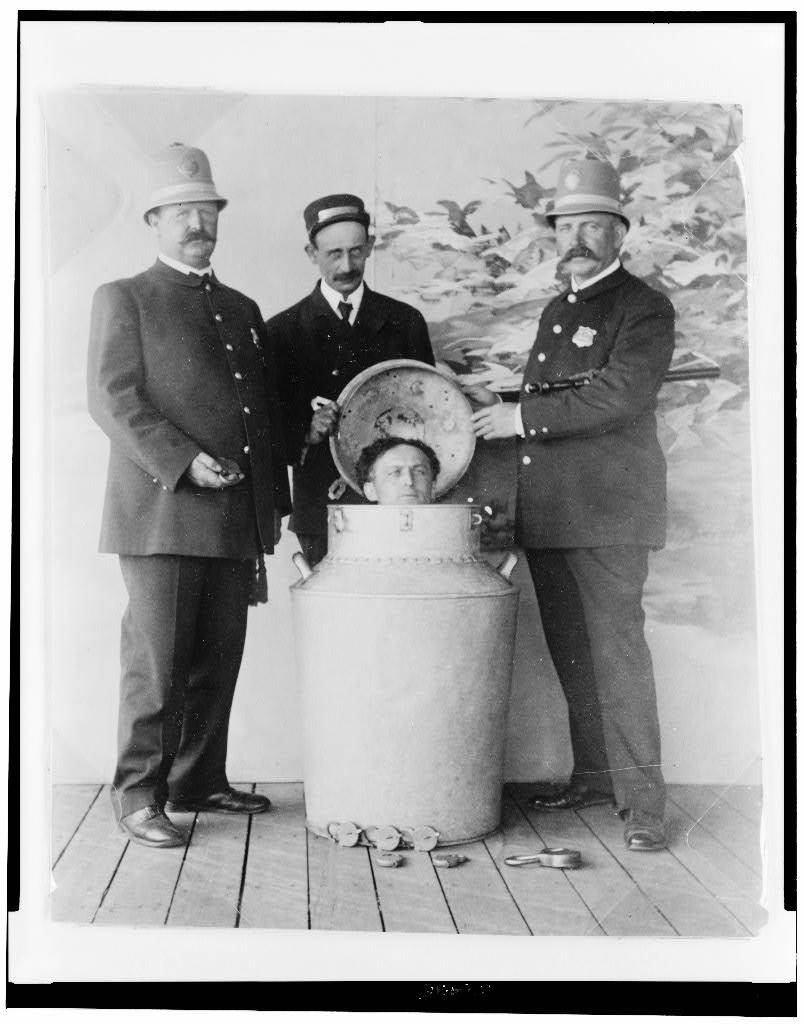

Harry Houdini died on Halloween, 1926, in a hospital bed in Detroit. A hundred years later to the day, which is today, a circle of invited guests will sit around his milk can in a storefront in Marshall, Michigan, up U.S. 23 and I-94, and wait to see whether he turns up.Harry Houdini murió un día de Halloween, en 1926, en una cama de hospital de Detroit. Cien años después, el mismo día, que es hoy, un círculo de invitados se sentará alrededor de su lata de leche en un local de Marshall, Michigan, por la U.S. 23 y la I-94, a esperar si aparece.
You cannot join them. The American Museum of Magic’s 100th Anniversary Houdini Séance, noon to 3 p.m., sold out both of its tiers: forty seats to watch, at $20 until Oct. 1 and $30 after, and eight in what the museum calls the outer circle of protection, at $50, each with a Houdini pint glass. Forty-eight chairs for a centenary. The museum’s ticket page said “Sold out” on Friday night.No puede acompañarlos. La sesión de espíritus por el centenario del Museo Americano de la Magia, de mediodía a 3 p.m., agotó sus dos categorías: cuarenta asientos para observar, a $20 hasta el 1 de octubre y $30 después, y ocho en lo que el museo llama el círculo exterior de protección, a $50, cada uno con un vaso de Houdini. Cuarenta y ocho sillas para un centenario. La página de boletos del museo decía “Sold out” el viernes por la noche.
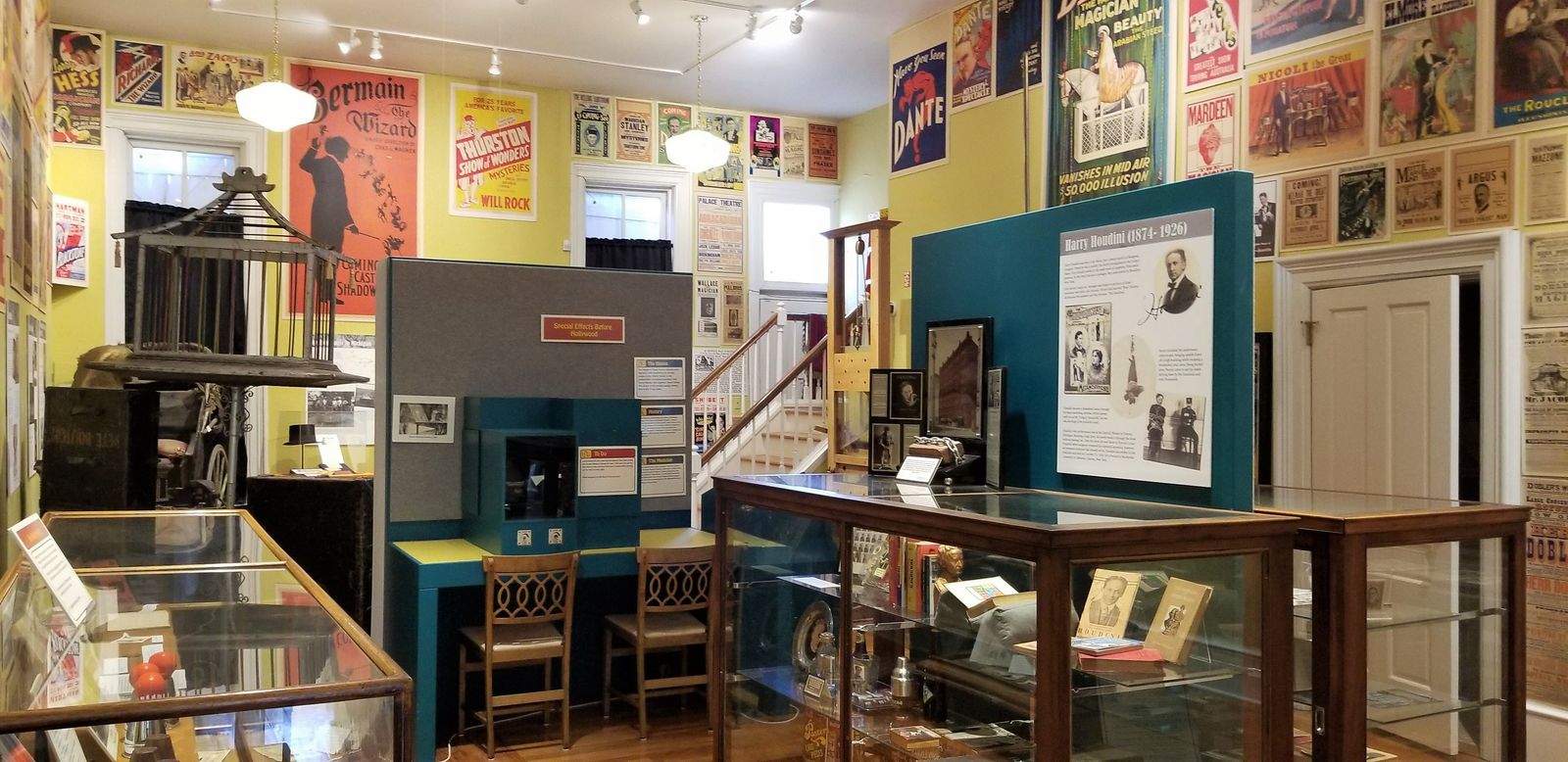
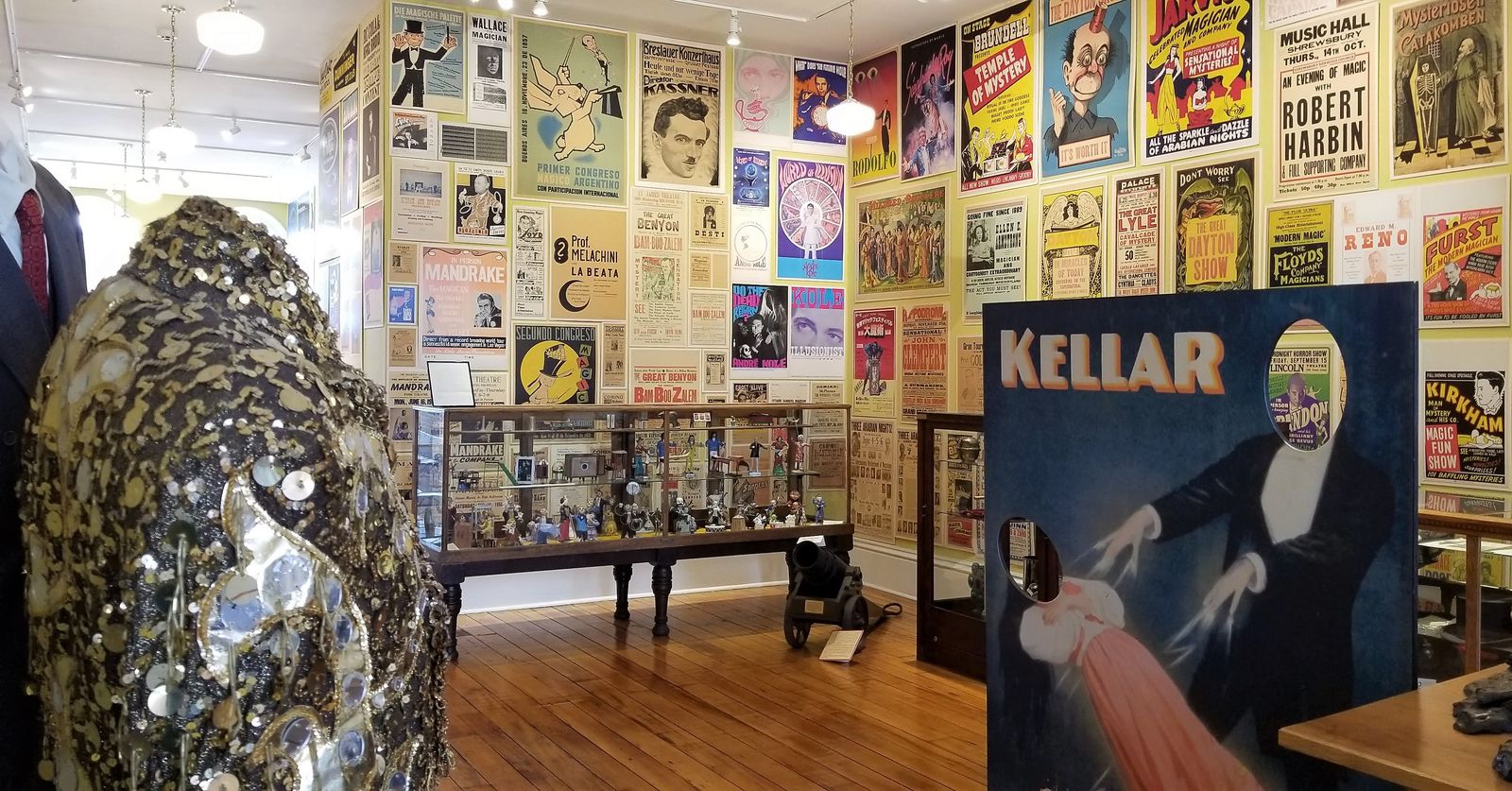
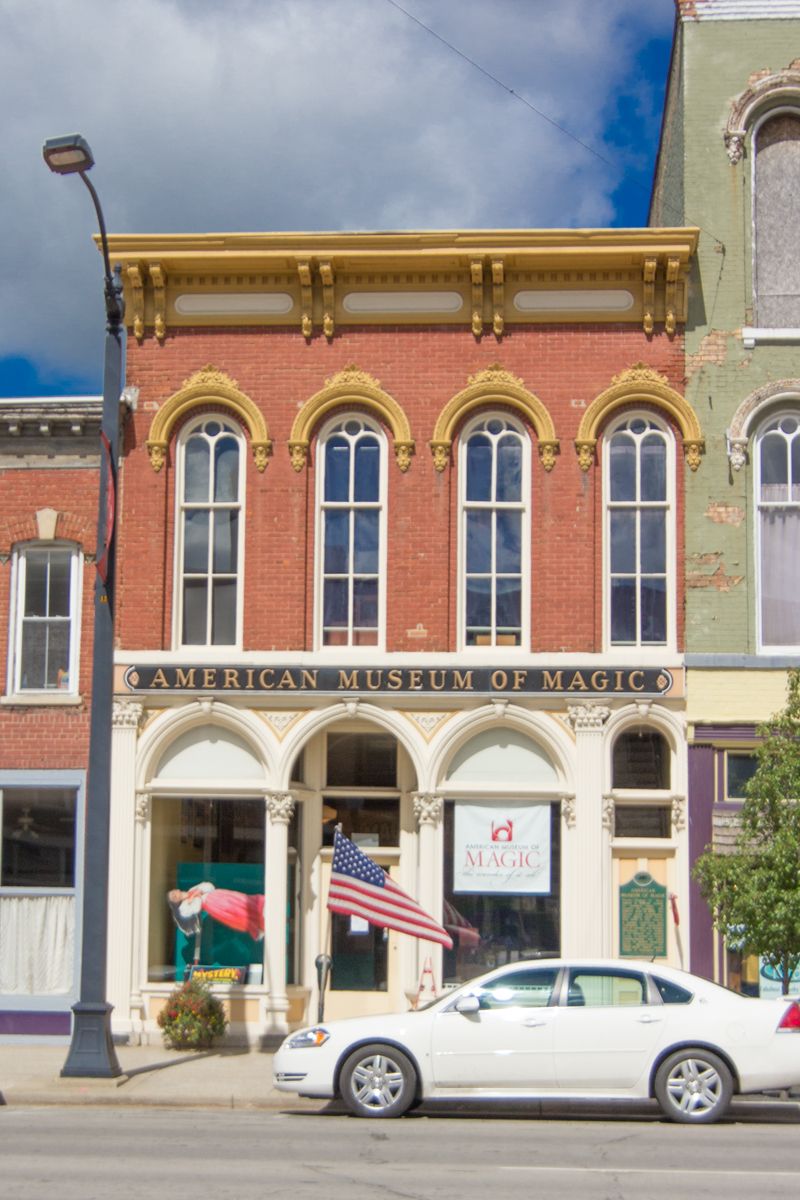
Go for the building it happens in. The American Museum of Magic has filled an 1860s store on the main street of Marshall since 1978, and it is not a modest place: it calls itself the largest collection of magic artifacts on display anywhere in the United States, and quotes somebody’s description of it as the Smithsonian of American magic. Its own inventory runs to more than 12,000 books on conjuring, 3,000 posters, costumes, scrapbooks, letters and diaries, and roughly 350,000 pieces of ephemera. Blackstone and Thurston are in there with Houdini.Vaya por el edificio donde ocurre. El Museo Americano de la Magia ocupa una tienda de los años 1860 en la calle principal de Marshall desde 1978, y no es un sitio modesto: se declara la mayor colección de objetos de magia en exhibición en todo Estados Unidos, y cita la descripción de alguien que lo llamó el Smithsonian de la magia estadounidense. Su propio inventario suma más de 12,000 libros de magia, 3,000 carteles, vestuario, álbumes de recortes, cartas y diarios, y unas 350,000 piezas de efímera. Blackstone y Thurston están ahí junto con Houdini.
It began with a reporter who could not stop buying things. Robert Lund was a Detroit-area journalist. He and his wife, Elaine, founded the museum in 1978, the same year he held the first Houdini séance. Today’s circle is run from Lund’s own notes on that one. For years the collection was only intermittently open, with Lund himself giving the tours. He died in 1995. Elaine incorporated the collection as a nonprofit, bought the city’s old 1915 craftsman library one block behind the museum in 1998, and died in 2006, leaving the buildings and everything in them to the nonprofit.Empezó con un periodista que no podía dejar de comprar cosas. Robert Lund era periodista en el área de Detroit. Él y su esposa, Elaine, fundaron el museo en 1978, el mismo año en que él celebró la primera sesión de espíritus por Houdini; el círculo de hoy se guía por las notas que Lund dejó de aquella. Durante años la colección abrió solo de manera intermitente, y Lund mismo daba las visitas. Murió en 1995. Elaine constituyó la colección como organización sin fines de lucro, compró en 1998 la antigua biblioteca municipal de 1915, a una cuadra detrás del museo, y murió en 2006, dejando los edificios y todo lo que hay en ellos a la organización.
Visiting. 107 E. Michigan Ave., Marshall; 269-781-7570. Admission is $10 for adults, $5 for children 12 and under and for veterans, and free for 5 and under; parking is free. The first floor is wheelchair accessible. The museum’s own pages disagree on its fall hours, list November through March as by appointment only and do not say whether regular visitors can come in while the séance runs, noon to 3 today. Call before you drive.La visita. 107 E. Michigan Ave., Marshall; 269-781-7570. La entrada cuesta $10 para adultos, $5 para niños de 12 años o menos y para veteranos, y es gratis para los de 5 o menos; el estacionamiento es gratuito. La planta baja es accesible en silla de ruedas. Las propias páginas del museo no coinciden en el horario de otoño, indican que de noviembre a marzo abre solo con cita y no dicen si los visitantes pueden entrar mientras dura la sesión, de mediodía a 3 hoy. Llame antes de manejar.
Forty minutes on, there is more. Colon, Michigan, calls itself the Magic Capital of the World. Abbott’s Magic Company has made stage illusions and gag tricks there since January 1934, and its retail counter sells tricks made in the building. Its website still lists only summer hours, so call first: 269-432-3235.A cuarenta minutos hay más. Colon, Michigan, se llama a sí mismo la Capital Mundial de la Magia. Abbott’s Magic Company fabrica allí ilusiones de escenario y trucos de broma desde enero de 1934, y su mostrador vende trucos hechos en el edificio. Su sitio web solo indica el horario de verano, así que llame antes: 269-432-3235.
Sources: the American Museum of Magic’s own ticket page, read Friday night, for the date, the hours of the séance, both prices, both seat limits, the milk can, the 1978 notes, the pint glass, the address and the sold-out state; its visitor page for admission, hours, parking and access, its events page for the noon start and the Saturday show, and its history page for the Lunds, the collection counts and the two buildings; Abbott’s Magic Company’s history and home page. The count of 48 seats is the sum of the museum’s two stated limits.Fuentes: la propia página de boletos del Museo Americano de la Magia, leída el viernes por la noche, por la fecha, el horario de la sesión, los dos precios, los dos límites de asientos, la lata de leche, las notas de 1978, el vaso, la dirección y el estado de agotado; su página para visitantes por la entrada, los horarios, el estacionamiento y la accesibilidad, su página de eventos por el inicio a mediodía y el espectáculo sabatino, y su página de historia por los Lund, las cifras de la colección y los dos edificios; la historia y la página principal de Abbott’s Magic Company. El recuento de 48 asientos es la suma de los dos límites declarados por el museo.
Go to Shawshank. Leave whenever you like.Entre a Shawshank. Salga cuando quiera.

You can pay to get into Shawshank. Getting out is considerably easier than it was in the movie.Se puede pagar para entrar a Shawshank. Salir resulta bastante más fácil que en la película.
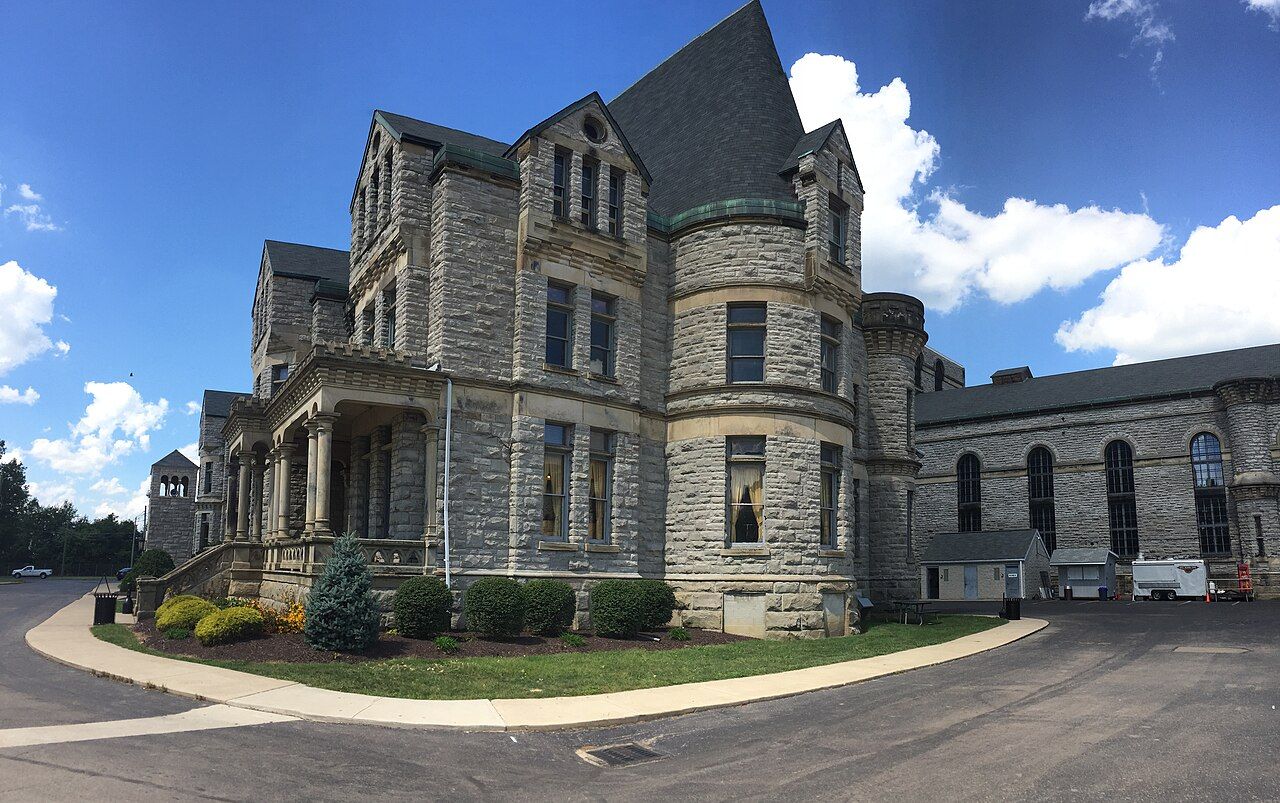
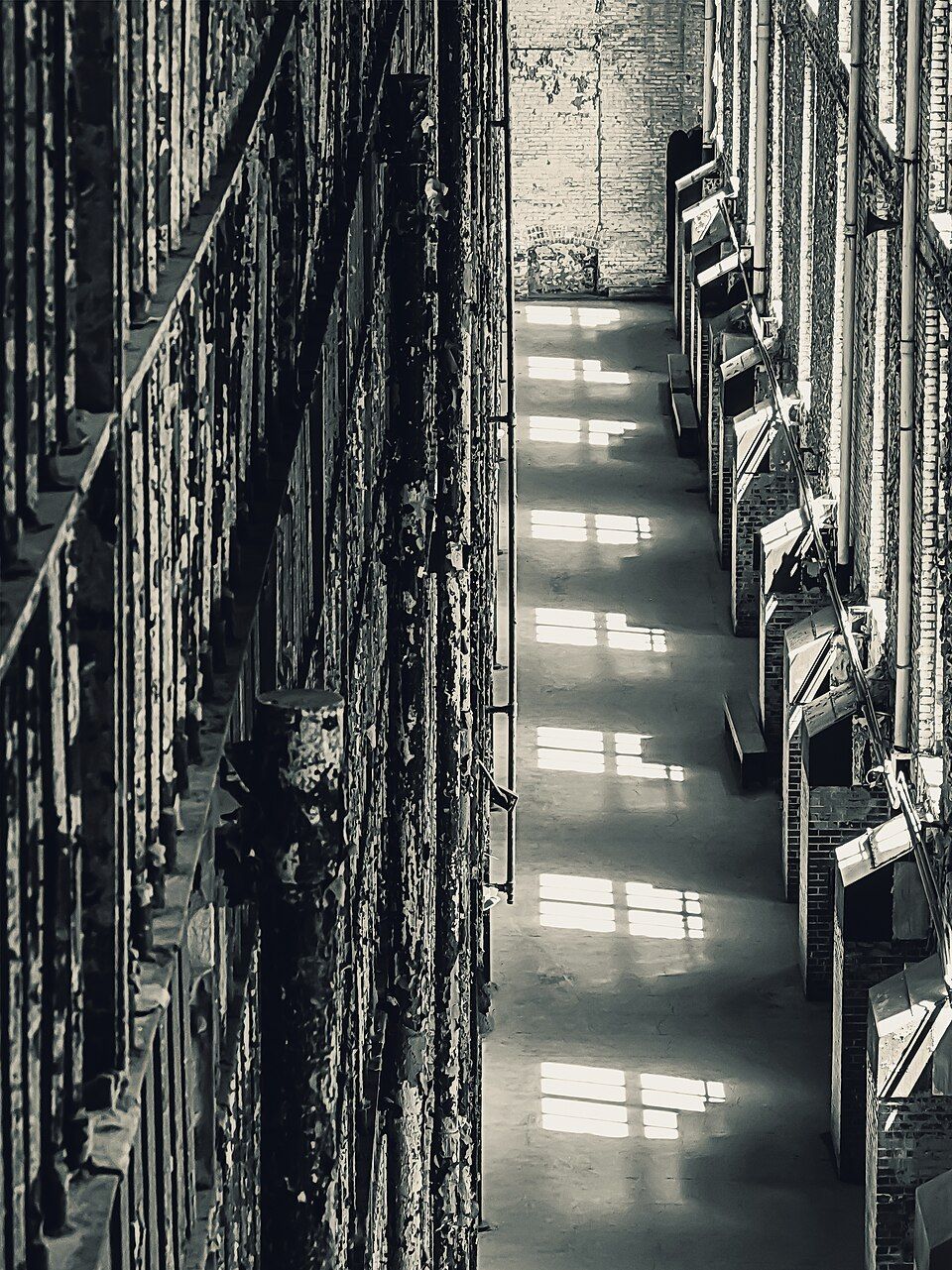
The Ohio State Reformatory in Mansfield gives you a castle outside, prison tiers inside and a very good excuse for an October road trip. This is one of the locations from The Shawshank Redemption. Come in daylight for the building and the movie history. Stay for Blood Prison if your idea of a pleasant evening involves paying someone to frighten you.La Ohio State Reformatory, en Mansfield, ofrece un castillo por fuera, galerías de celdas por dentro y una buena excusa para salir de viaje en octubre. Aquí se rodaron escenas de Sueños de libertad. Venga de día por el edificio y su historia cinematográfica. Quédese para Blood Prison si su idea de una buena noche incluye pagar para que lo asusten.
The building does a lot of the work. Cleveland architect Levi Scofield designed it to inspire and intimidate. The first prisoners arrived in 1896. After its conversion to maximum security and a successful prisoners’ lawsuit over conditions, it closed in 1990. Preservationists later bought it from the state for $1. The repair bill, naturally, was another matter.El edificio pone mucho de su parte. El arquitecto de Cleveland Levi Scofield lo diseñó para inspirar e intimidar. Los primeros presos llegaron en 1896. Tras su conversión en prisión de máxima seguridad y una demanda exitosa de los presos por las condiciones, cerró en 1990. Los conservacionistas lo compraron después al estado por un dólar. Las reparaciones, claro, eran otro asunto.
The east cellblock rises six tiers. Its cells measure 7 feet by 9 feet: intended for one man, later fitted with bunks for two as the prison grew overcrowded. The reformatory says original bunks and cell contents remain. That is plenty to take in before anybody puts on a monster mask.El bloque este tiene seis niveles. Sus celdas miden 7 por 9 pies: se pensaron para un hombre y después recibieron literas para dos, cuando la prisión se llenó de más. Según la reformatoria, aún quedan literas y objetos originales. Hay bastante que asimilar antes de que alguien se ponga una máscara de monstruo.

Pick your level of spooky. Blood Prison opens its gates at 6:45 p.m. tonight, Oct. 24. Buy online before driving; admission is limited. The minimum age is 10, and the optional hands-on Touch Pass is strictly 18-plus. General admission includes a daytime tour ticket; keep your purchase confirmation to redeem it.Elija cuánto miedo quiere. Blood Prison abre sus puertas a las 6:45 p.m. de hoy, 24 de octubre. Compre en línea antes de salir; el cupo es limitado. La edad mínima es 10 años y el pase opcional Touch Pass, con contacto físico, es solo para mayores de 18. La entrada general incluye un boleto para el recorrido diurno; conserve la confirmación para canjearlo.
Prefer the lights on? Beyond the Scare lets visitors inspect the haunted-house setup in daylight. It is $40 and for ages 8 and up, with gore and disturbing scenes still part of the scenery. The $40 Fall Guided Tour instead mixes prison and film history with upper cellblock tiers and the West Attic.¿Prefiere las luces encendidas? Beyond the Scare permite ver de día el montaje de la casa del terror. Cuesta $40, admite desde los 8 años y conserva escenas sangrientas e inquietantes. El Fall Guided Tour, también de $40, combina historia carcelaria y cinematográfica con los niveles superiores de las celdas y el ático oeste.
Know before you go. Halloween setup closes parts of the normal route and the industrial museum. Visitors unable to use stairs cannot see the cellblocks during this period. Call 419-522-2644 about access, current daytime hours and seasonal self-guided pricing. Find it at 100 Reformatory Rd., Mansfield.Antes de salir. El montaje de Halloween cierra partes del recorrido habitual y el museo industrial. Quienes no puedan usar escaleras no podrán ver los bloques de celdas durante este período. Llame al 419-522-2644 para consultar accesibilidad, horario diurno y precio de temporada del recorrido libre. La dirección es 100 Reformatory Rd., Mansfield.
Want to keep the movie going after you leave? The Shawshank Trail is a self-guided drive to filming locations. You supply the car and choose the stops. No escape tunnel required.¿Quiere seguir con la película al salir? El Shawshank Trail es un recorrido en auto por lugares de filmación. Usted pone el auto y elige las paradas. No hace falta un túnel de escape.
Sources: Ohio State Reformatory, history, east cellblock, tours and Inside Shawshank; Blood Prison, schedule and tickets and age rules.Fuentes: Ohio State Reformatory, historia, bloque este, recorridos e Inside Shawshank; Blood Prison, calendario, boletos y edades de admisión.
An 1894 turbine still presses cider in Rochester Hills, Mich.Una turbina de 1894 sigue prensando sidra en Rochester Hills, Mich.
Ninety minutes up I-75 and over, on the Clinton River in Rochester Hills, Mich., there is a cider mill that does not run its press on an electric motor. Yates Cider Mill rebuilt its building in 1894 and put a 26-inch water turbine in it to drive the works, and the mill’s own history says the turbine is still there and still generating the power that presses the cider. It calls itself Michigan’s oldest working water-powered mill. Getting in is free and so is parking, which leaves the donuts as the only thing to spend money on.A hora y media por la I-75 y un poco más allá, sobre el río Clinton, en Rochester Hills, Mich., hay un molino de sidra que no mueve su prensa con un motor eléctrico. Yates Cider Mill reconstruyó su edificio en 1894 y le puso una turbina de agua de 26 pulgadas para accionar la maquinaria, y la propia historia del molino dice que la turbina sigue ahí y sigue generando la fuerza que prensa la sidra. Se presenta como el molino de agua en funcionamiento más antiguo de Michigan. Entrar es gratis y estacionar también, lo que deja a las donas como lo único en que gastar.
What to know before you go. The mill is at 1950 E. Avon Rd., Rochester Hills, Mich.; the telephone is 248-651-8300. The mill publishes no separate Saturday schedule and its hours widget does not render the same way twice, so ring ahead before a long drive. Its frequently-asked-questions page describes a March-to-November season at Rochester Hills and charges nothing for admission or parking. It takes MasterCard, Visa, American Express and Discover, and cash, and does not take personal checks.Lo que conviene saber antes de ir. El molino está en el 1950 de E. Avon Rd., Rochester Hills, Mich.; el teléfono es 248-651-8300. El molino no publica un horario de sábado aparte y su módulo de horarios no muestra lo mismo dos veces, así que conviene llamar antes de un viaje largo. Su página de preguntas frecuentes describe una temporada de marzo a noviembre en Rochester Hills y no cobra entrada ni estacionamiento. Acepta MasterCard, Visa, American Express y Discover, y efectivo, y no acepta cheques personales.
What is actually open in October. The apple tent runs daily through September and October, with pre-bagged apples or the chance to bag your own, and it also sells apparel, jams, jellies, honey, maple syrup and snacks. The pumpkin baking is on. The Frankenmuth fudge shop is open daily this month and makes fudge in front of you on most fall weekends. Roasted corn and rotating food vendors come out on weekends, the petting zoo and the pony rides run weekends when the weather holds, and the ice cream shop is open weekends this fall, with a donut sundae on the board. Animal feed for the goats is sold inside the mill. Apple fritters are a Friday item and have to be preordered by the end of Wednesday, so Saturday is the wrong day to arrive hoping for one.Qué está abierto de verdad en octubre. La carpa de manzanas funciona a diario durante septiembre y octubre, con manzanas ya embolsadas o la opción de embolsarlas uno mismo, y vende también ropa, mermeladas, jaleas, miel, jarabe de maple y botanas. La hornada de calabaza está en marcha. La tienda de dulce de azúcar de Frankenmuth abre a diario este mes y lo prepara frente al visitante casi todos los fines de semana de otoño. El maíz asado y los puestos rotativos de comida salen los fines de semana, el zoológico de contacto y los paseos en pony funcionan los fines de semana si aguanta el tiempo, y la heladería abre los fines de semana este otoño, con un sundae de dona en la carta. El alimento para las cabras se vende dentro del molino. Las frituras de manzana son de los viernes y hay que pedirlas por anticipado antes de que acabe el miércoles, así que el sábado es mal día para llegar esperando una.
The 163 years. In 1863, with the Civil War on, Caroline S. Yates, wife of William Henry Yates, bought 80 acres along the Clinton River in what was then the Township of Avon. The family improved an existing dam and mill building and started a sawmill and gristmill for the farmers around them. Cider pressing was added by 1876 as those farmers planted apple trees, and by the early 1900s cider was all the mill did. The present building and the turbine date from 1894. Harry Yates, a grandson of the founders, brought in the donuts in the 1930s.Los 163 años. En 1863, con la Guerra Civil en curso, Caroline S. Yates, esposa de William Henry Yates, compró 80 acres junto al río Clinton en lo que entonces era el municipio de Avon. La familia mejoró una presa y un edificio de molino que ya existían y arrancó un aserradero y un molino de grano para los granjeros de alrededor. El prensado de sidra se añadió hacia 1876, cuando esos granjeros plantaron manzanos, y a comienzos del siglo XX la sidra era lo único que hacía el molino. El edificio actual y la turbina son de 1894. Harry Yates, nieto de los fundadores, trajo las donas en los años treinta.
The mill left the family in 1959, when Harry Yates retired and sold it to Charles and Ruth Posey. Charles Posey was a machinist and mechanic who kept a snack shop across Dequindre Road and whom Yates had called on for years for anything mechanical. Their son Les Posey took over in 1975, and in 2006 his daughter Katie and her husband Mike Titus bought it. The Rochester Hills Historic Districts Commission gave the mill its Earl Borden Historic Preservation Award in 1991, and in 2013, its 150th year, the Titus family took the Michigan Milestone Award from the Historical Society of Michigan and a Michigan Historical Marker went up at the site. Counted from 1863, this is year 163.El molino salió de la familia en 1959, cuando Harry Yates se retiró y lo vendió a Charles y Ruth Posey. Charles Posey era maquinista y mecánico, tenía una tienda de botanas al otro lado de Dequindre Road y Yates lo llamaba desde años atrás para cualquier asunto mecánico. Su hijo Les Posey tomó el relevo en 1975, y en 2006 lo compraron su hija Katie y su esposo Mike Titus. La Comisión de Distritos Históricos de Rochester Hills dio al molino su premio Earl Borden de preservación histórica en 1991, y en 2013, su año 150, la familia Titus recibió el Michigan Milestone Award de la Sociedad Histórica de Michigan y se colocó en el sitio un marcador histórico de Michigan. Contado desde 1863, este es el año 163.
One thing the mill does not promise. Its history page says the 1894 turbine still powers the press. It does not say where a visitor can stand to watch it turn. There are walking and biking trails on the property and picnic tables scattered through it, including some by the river, which is the better bet for a long stop. If the drive is going to be longer than the visit, the mill’s second store at Canterbury Village in Lake Orion, Mich., is open year round and was posted at 10 a.m. to 8 p.m. on Friday evening.Una cosa que el molino no promete. Su página de historia dice que la turbina de 1894 sigue moviendo la prensa. No dice dónde puede pararse un visitante a verla girar. Hay senderos para caminar y andar en bicicleta en la propiedad y mesas de picnic repartidas por ella, algunas junto al río, que es la mejor apuesta para una parada larga. Si el viaje va a durar más que la visita, la segunda tienda del molino, en Canterbury Village, en Lake Orion, Mich., abre todo el año y el viernes por la noche figuraba de 10 a.m. a 8 p.m.
Sources: Yates Cider Mill’s own site — its home page for the hours line and the water-power claim, Our Roots for the dates, the turbine and the owners, the FAQ for the season, the free admission and the payment terms, and Plan Your Fall Visit for what is open this month. The mill’s site gives 1876 for the cider on its history page; a figure of 1874 appears elsewhere on the site, and this item follows the history page. The count of 163 years is this paper’s arithmetic from the mill’s own 1863.Fuentes: el sitio propio de Yates Cider Mill — su página principal por la línea de horarios y la afirmación sobre la fuerza hidráulica, Our Roots por las fechas, la turbina y los propietarios, las preguntas frecuentes por la temporada, la entrada gratuita y las formas de pago, y Plan Your Fall Visit por lo que está abierto este mes. El sitio del molino da 1876 para la sidra en su página de historia; en otra parte del sitio aparece 1874, y este artículo sigue la página de historia. La cuenta de 163 años es aritmética de este periódico a partir del propio 1863 del molino.
Indianapolis keeps the candy box Kurt Vonnegut filled with rejection lettersIndianápolis guarda la caja de bombones que Kurt Vonnegut llenó de cartas de rechazo
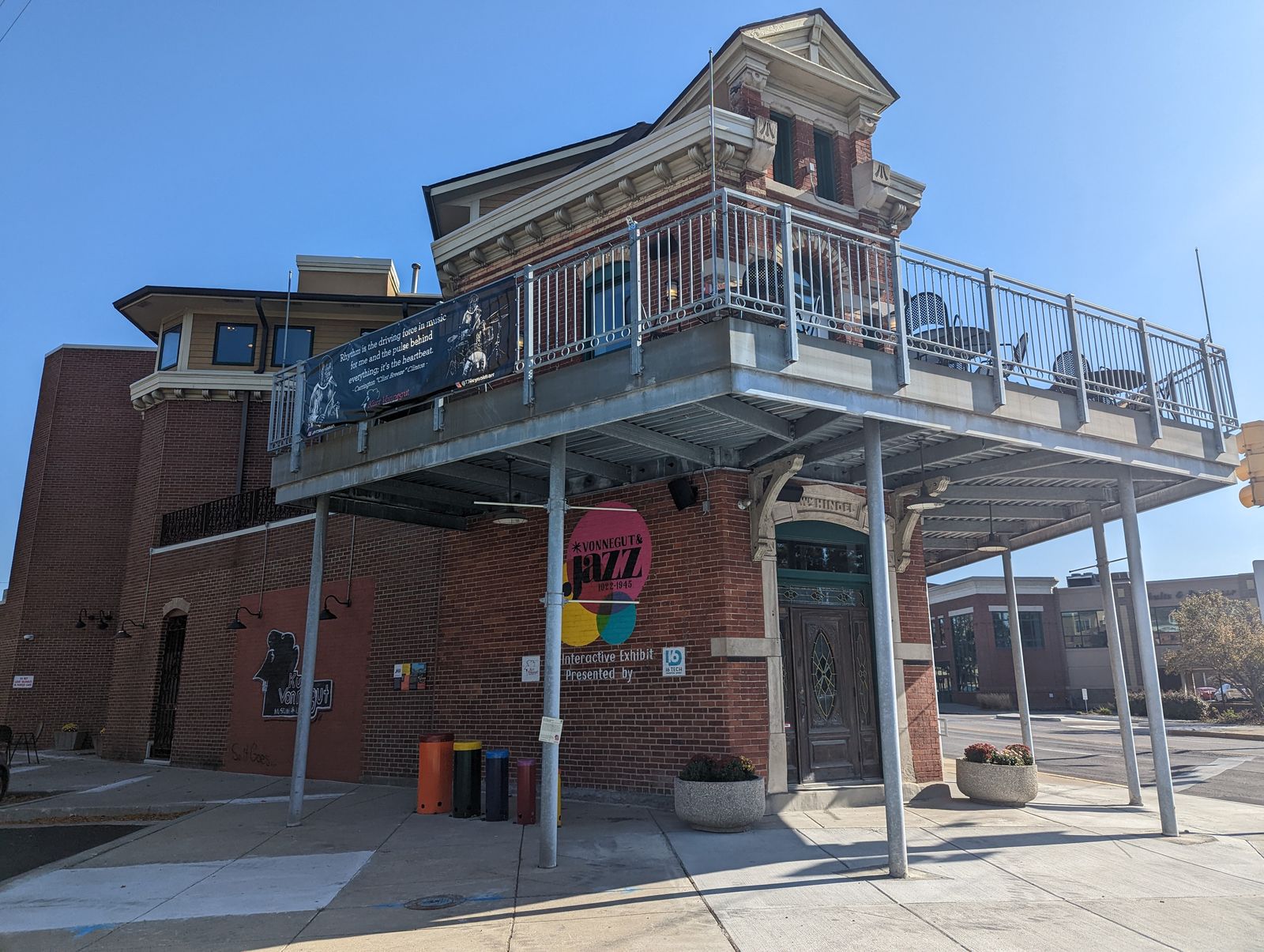
Drive south out of Toledo on I-75 to Dayton and west on I-70, about three and a half hours, and Indiana Avenue in Indianapolis has a low brick building with a writer’s typewriter in it. The Kurt Vonnegut Museum and Library has been at 543 Indiana Ave. since 2019, and the thing worth the drive this month is a candy box.Baje de Toledo por la I-75 hasta Dayton y siga al oeste por la I-70, unas tres horas y media, y en Indiana Avenue, en Indianápolis, hay un edificio bajo de ladrillo con la máquina de escribir de un escritor dentro. El Kurt Vonnegut Museum and Library está en el 543 de Indiana Ave. desde 2019, y lo que vale el viaje este mes es una caja de bombones.
Sixteen letters in a bonbon box from Central AvenueDieciséis cartas en una caja de bombones de Central Avenue
The box held bonbons from West’s Fine Candies, a confectioner at 2923 Central Ave. in Indianapolis. Vonnegut used it to keep the letters magazines sent him turning down his short stories, mostly between 1948 and 1954. The museum holds 16 of them. “We have 16 here,” the curator, Christopher Lafave, said, and the Lilly Library at Indiana University in Bloomington would have more.La caja contenía bombones de West’s Fine Candies, una confitería del 2923 de Central Ave., en Indianápolis. Vonnegut la usó para guardar las cartas con que las revistas le rechazaban sus cuentos, sobre todo entre 1948 y 1954. El museo tiene 16. “Aquí tenemos 16”, dijo el curador, Christopher Lafave, y la Biblioteca Lilly de la Universidad de Indiana, en Bloomington, tendría más.
The magazines that sent them are a list of where American short fiction was bought at mid-century: The Saturday Evening Post, The Atlantic Monthly, Good Housekeeping, Collier’s, Harper’s Magazine and Cosmopolitan, which published literature then. One of the letters, from The Atlantic’s editor Edward Weeks, hangs framed in the museum.Las revistas que las enviaron son una lista de dónde se compraba el cuento estadounidense a mediados de siglo: The Saturday Evening Post, The Atlantic Monthly, Good Housekeeping, Collier’s, Harper’s Magazine y Cosmopolitan, que entonces publicaba literatura. Una de las cartas, del editor de The Atlantic Edward Weeks, cuelga enmarcada en el museo.
There is handwriting on the box itself, in two hands. Vonnegut’s daughter Edie Vonnegut identified the pencil to the right of the logo as her father’s and the ink as her mother’s, Jane Cox Vonnegut. The letters are kept separately from the box for safekeeping, so the box is the object to look for on the floor. How much the letters stung is nobody’s to say. The reporting on the box is Christina Vercelletto’s, published in September.En la propia caja hay letra escrita a mano, de dos manos. La hija de Vonnegut, Edie Vonnegut, identificó el lápiz a la derecha del logotipo como de su padre y la tinta como de su madre, Jane Cox Vonnegut. Las cartas se guardan aparte de la caja por conservación, así que la caja es el objeto que hay que buscar en la sala. Cuánto dolieron las cartas no lo sabe nadie. El reportaje sobre la caja es de Christina Vercelletto y se publicó en septiembre.
The typewriter, the Purple Heart and the reading glassesLa máquina de escribir, la Estrella Púrpura y los anteojos
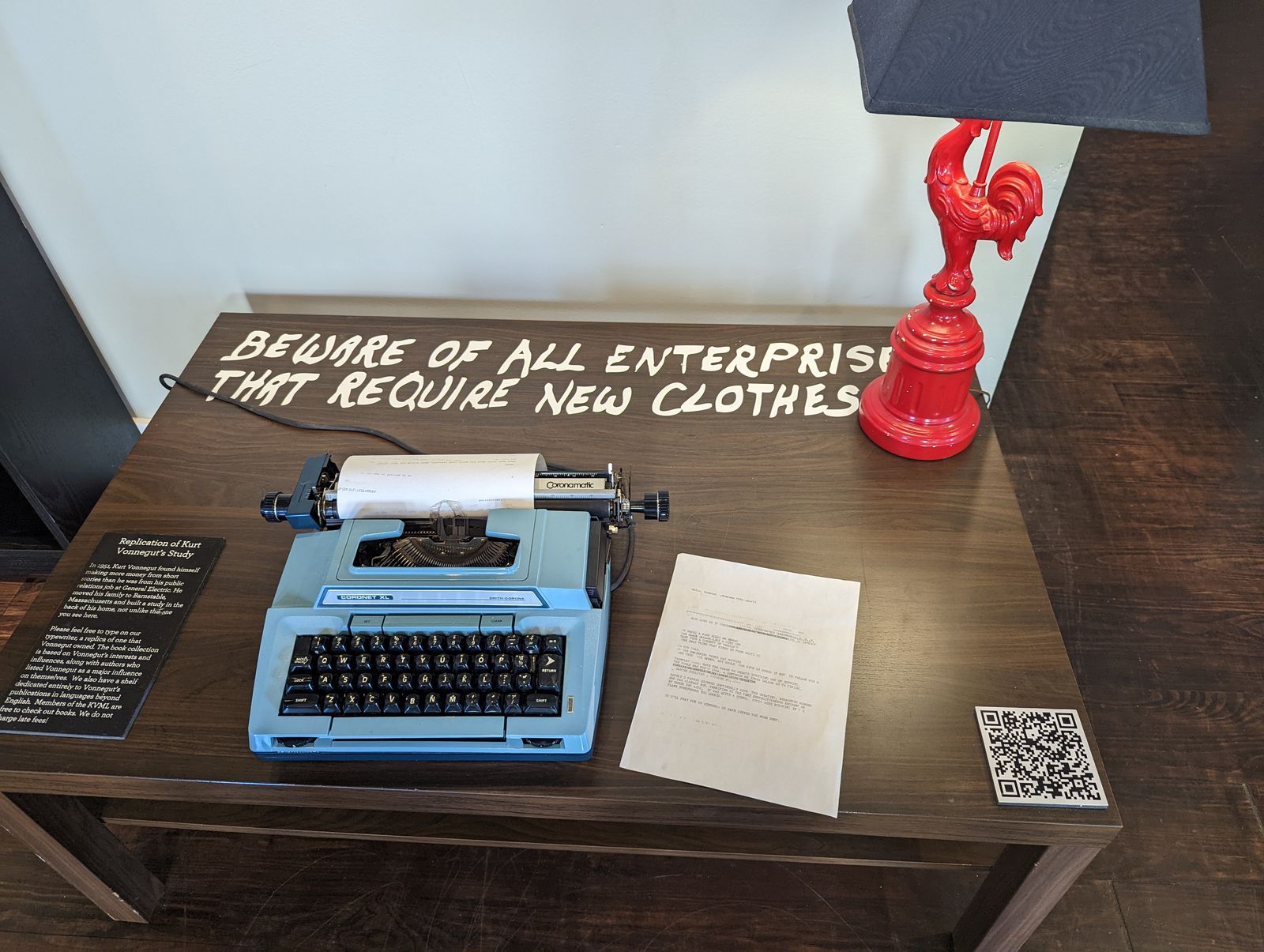
The museum’s own account of what a visitor sees names Vonnegut’s typewriter, his Purple Heart, his reading glasses, his artwork and other personal items on loan from the family. It also runs galleries for veteran artists, which is of a piece with the Purple Heart: Vonnegut was a prisoner of war in Dresden, and that is the raw material of Slaughterhouse-Five.La propia descripción del museo de lo que ve un visitante nombra la máquina de escribir de Vonnegut, su Estrella Púrpura, sus anteojos de leer, su obra plástica y otros objetos personales prestados por la familia. También tiene salas para artistas veteranos, algo coherente con la Estrella Púrpura: Vonnegut fue prisionero de guerra en Dresde, y de ahí sale Matadero cinco.
The institution started as an idea in 2008 and spent a decade moving before it bought the Indiana Avenue building, which it calls its forever home. The gift shop stays open to walk-ins until closing.La institución empezó como una idea en 2008 y pasó una década mudándose antes de comprar el edificio de Indiana Avenue, al que llama su casa definitiva. La tienda queda abierta a quien entre hasta la hora de cierre.
A Saturday is the right day for it. The museum opens at 10 and the guided tour goes at noon, which leaves the afternoon for the rest of Indiana Avenue.El sábado es el día adecuado. El museo abre a las 10 y la visita guiada sale al mediodía, lo que deja la tarde para el resto de Indiana Avenue.
543 Indiana Ave., Indianapolis, Indiana 46202. All visitors use the main entrance on Indiana Avenue.543 Indiana Ave., Indianápolis, Indiana 46202. Todos los visitantes entran por la puerta principal de Indiana Avenue.
The telephone is (317) 423-0391.El teléfono es (317) 423-0391.
Open Monday and Wednesday through Saturday, 10 a.m. to 6 p.m., and Sunday noon to 5 p.m. Closed Tuesday.Abre lunes y de miércoles a sábado, de 10 a.m. a 6 p.m., y domingo de mediodía a 5 p.m. Cierra los martes.
Admission is $12 for adults, $10 for seniors, educators and military, $8 for students, and free for members. It is free to everyone the first Monday of each month.La entrada cuesta $12 para adultos, $10 para mayores, docentes y militares, $8 para estudiantes y es gratis para socios. Es gratis para todos el primer lunes de cada mes.
The self-guided audio tour is free. A guided tour runs daily at noon, 1 p.m. on Sundays, for $5 a person. Friday tours led by the curator are $8 a person.La audioguía es gratis. Hay visita guiada todos los días al mediodía, 1 p.m. los domingos, por $5 por persona. Las visitas de los viernes, guiadas por el curador, cuestan $8 por persona.
Parking is free, in the lot along the south side of the building and behind it. The spots north of the building are for staff.El estacionamiento es gratis, en el lote del lado sur del edificio y detrás. Los lugares al norte del edificio son del personal.
About three and a half hours from Toledo.A unas tres horas y media de Toledo.
Sources: the museum’s own visitor page and about page; Indianapolis Monthly, Christina Vercelletto, on the candy box.Fuentes: las páginas de visita y presentación del propio museo; Indianapolis Monthly, Christina Vercelletto, sobre la caja de bombones.